2026-10-19 ·
Post-Hurricane Mold Checks for Channelview Residents
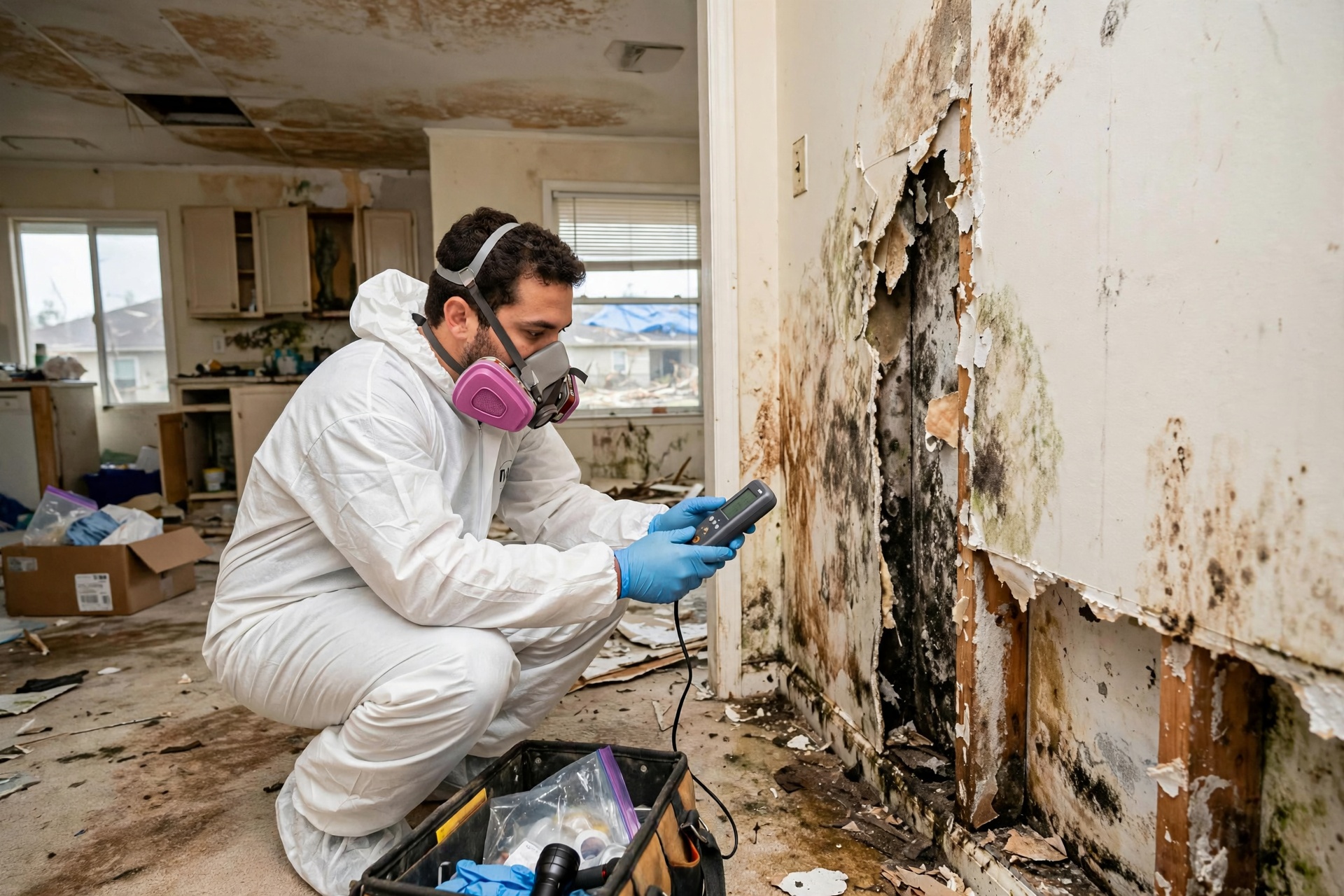
After a hurricane passes through Channelview, begin mold checks within 24-48 hours because standing water and high humidity from the San Jacinto River basin promote rapid growth in Harris County homes.
Checking Flooded Areas First
Channelview and Cloverleaf properties often see water intrusion from the San Jacinto River during storms, saturating crawl spaces and lower levels faster than homes farther inland. Inspect basements, garages, and any areas below grade where water pooled for at least 48 hours. Remove wet materials immediately and dry surfaces with fans and dehumidifiers set below 50 percent relative humidity. Older homes in the Sheldon Corridor commonly have wood subfloors that trap moisture under carpet or tile, so lift flooring to check joists. Document visible discoloration or musty odors before they spread to drywall. Residents in Baytown and La Porte report similar patterns after storms because the same river system affects drainage across the region.
Spotting Hidden Growth in Walls and Attics
Hurricane winds drive rain into roof vents and soffits, allowing moisture to reach attics in Channelview homes built before 1990. Check insulation for damp spots and probe drywall corners with a moisture meter near windows and exterior doors. Black mold often starts behind baseboards in living areas after floodwater recedes. Walk the perimeter of Channelview Park neighborhoods to compare rooflines and note any homes with repeated past flooding. Use a flashlight to scan HVAC registers for dark streaks that indicate spores traveling through ducts. Early detection prevents the need for full mold-damaged drywall removal later.
Testing Air Quality and Moisture Levels
Professional mold inspection helps confirm airborne spores after visible water damage in older Channelview stock. Measure humidity in multiple rooms daily for the first week post-storm, especially near the San Jacinto River where groundwater remains elevated. Compare readings against outdoor levels to identify indoor amplification. Homes in Northshore and Woodforest District frequently show elevated moisture in closets and bathrooms due to poor ventilation during mild winters that follow hurricanes. Record readings over several days rather than relying on a single test.
Preventing Regrowth After Initial Drying
Once surfaces dry, focus on moisture control after mold removal to stop spores from returning in Channelview's hot humid summers. Seal small cracks around foundations in Cloverleaf properties and improve grading so water flows away from the house. Replace saturated insulation and consider adding vapor barriers in crawl spaces common to the area. Link this step to ongoing maintenance like the guidance in Spotting Black Mold in Older Channelview Homes. Monitor for musty smells during the first hurricane season after any major storm.
Knowing When Professional Remediation Is Needed
If mold covers more than 10 square feet or returns after drying attempts, contact experts for post-water-damage mold remediation. Channelview residents along the Sheldon Corridor often need targeted removal in HVAC systems and attics following repeated flooding. Technicians address hidden pockets that DIY methods miss, especially in homes near Baytown where river overflow saturates soil for weeks. Schedule service through 24/7 Emergency Service at 413-475 Sheldon Rd, Channelview, TX 77530 when odors persist beyond seven days.