2026-10-19 ·
Handling Mold Found During Channelview Home Renovations
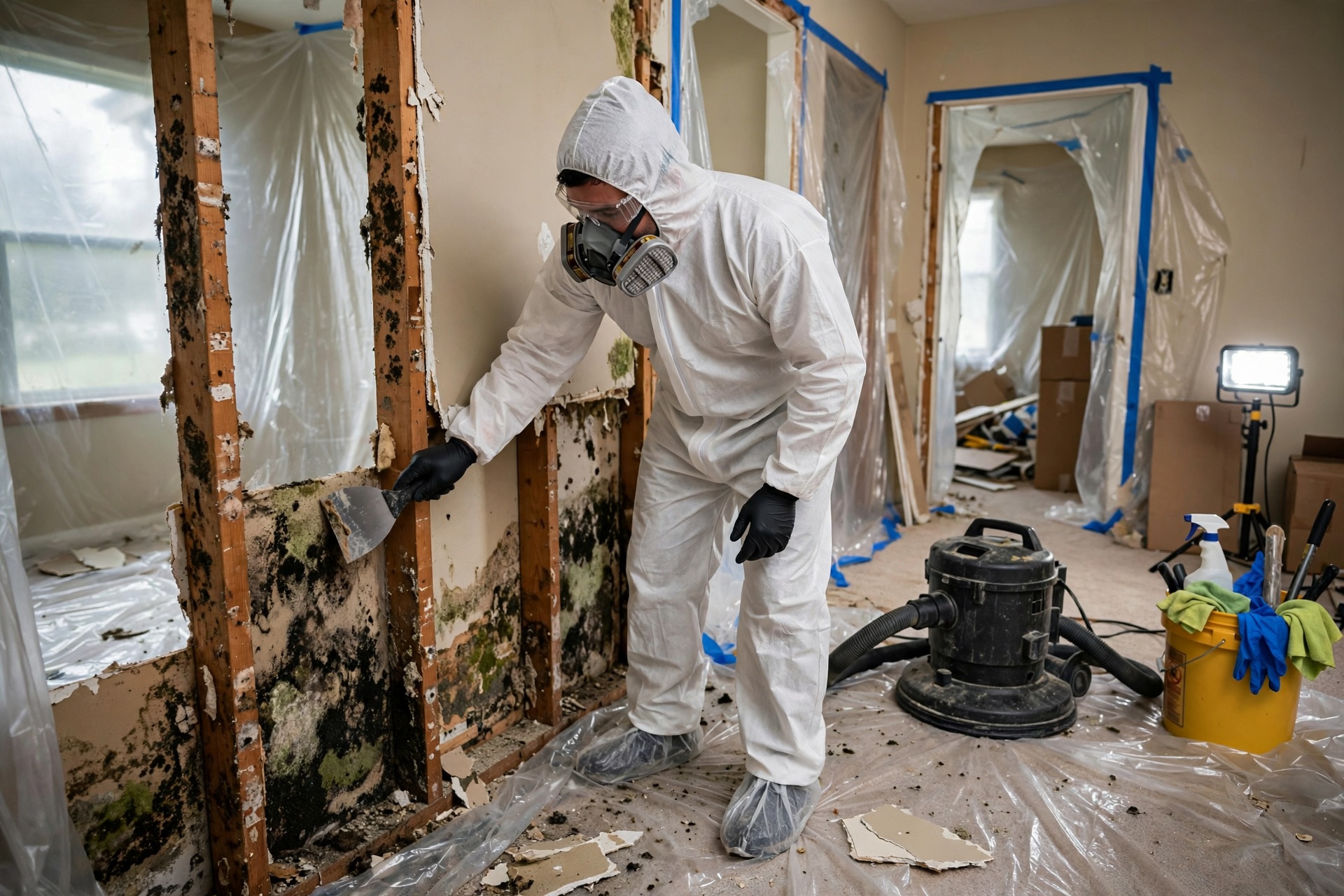
When mold surfaces during a Channelview renovation, halt all demolition and isolate the affected zone right away to prevent spores from circulating through HVAC systems or into living spaces. Older homes near the San Jacinto River and Channelview Park often hide growth behind walls or under floors disturbed by updates, especially after humid summers or hurricane-driven moisture. Professional assessment follows containment, with removal focused on source materials rather than surface cleaning alone.
Why Renovations Trigger Mold Discovery in Channelview
Channelview homes built decades ago in areas like Cloverleaf and Old River Terrace frequently contain hidden moisture from past leaks or poor ventilation that only appears once drywall or insulation comes down. Hot humid summers combined with mild winters and occasional hurricane impacts create repeated wetting cycles in attics and crawl spaces, allowing colonies to establish in wood framing or behind tile. The San Jacinto River basin adds groundwater influence that keeps soil moisture high year-round, so any renovation that opens foundations or roofs can expose growth that has been feeding on paper-faced materials for years. Local crews see this pattern most often in single-story ranch styles common along Sheldon Road, where roof leaks from storms go unnoticed until insulation is pulled.
Immediate Containment Steps on Site
Seal the work area with 6-mil plastic sheeting taped at seams and use negative air machines to keep spores from drifting into unaffected rooms. Turn off HVAC to avoid pulling contaminated air through ducts, then bag all removed materials before carrying them outside. In Channelview properties close to Baytown or La Porte, crews also check for cross-contamination paths created by shared attics or open floor plans typical in Northshore neighborhoods. Document the extent with photos before any further demo, because insurance adjusters in Harris County often require clear evidence of the original discovery point.
Coordinating Removal with Your Renovation Timeline
Once contained, mold remediation teams remove affected drywall and insulation in sections that align with your contractor's schedule rather than halting the entire project. Mold-damaged drywall removal targets only compromised layers while preserving sound framing, then applies antimicrobial treatments to exposed wood. Homeowners in Sterling Green or Woodforest District commonly schedule this work between rough-in and finish stages so new insulation and vapor barriers can go in immediately after. 24/7 emergency service from the location at 413-475 Sheldon Rd, Channelview, TX 77530 allows same-day response when a weekend demo uncovers growth before rain arrives.
Long-Term Moisture Control After Discovery
Post-removal, install dehumidification tied to the home's HVAC and add vapor barriers in crawl spaces to counter the persistent humidity that defines Channelview summers. Check gutters and grading around the foundation, especially on lots near Channelview Park where runoff collects during storms. Preventing Mold Around Channelview HVAC Systems outlines filter upgrades and condensate line cleaning that reduce recurrence risk after renovations open wall cavities. Spotting Black Mold in Older Channelview Homes helps owners recognize early signs during future projects.
Local Permit and Documentation Considerations
Harris County rules require permits for structural changes that accompany mold work in many Channelview renovations, so coordinate with your contractor before drywall replacement begins. Mold Remediation Permits in Channelview Texas covers the paperwork often needed when multiple trades are on site. Keep records of all moisture readings and material disposal for future buyers or insurance claims common in the Houston metro area.